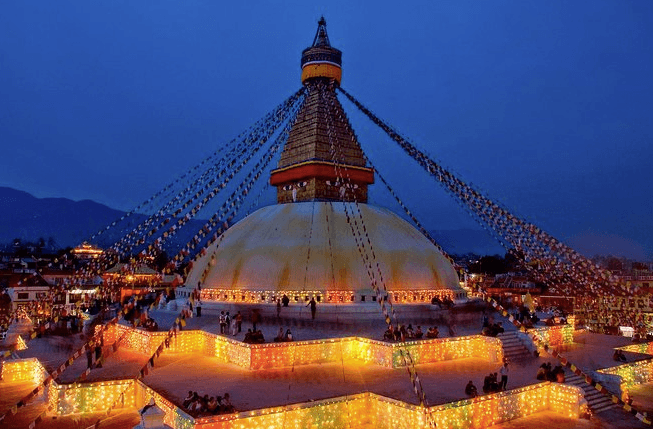

Kathmandu, the vibrant capital of Nepal, is a city that seamlessly blends the ancient with the modern. Nestled within the Kathmandu Valley, it is renowned for its rich cultural heritage, which is reflected in its stunning architecture, historical temples, and bustling marketplaces. The city’s diverse population makes it a melting pot of traditions, festivals, and culinary delights. Travelers flock to this enchanting destination not only to explore its significant landmarks, such as the Durbar Square and the Swayambhunath Stupa, but also to immerse themselves in the local ambiance. Kathmandu’s diverse topography and weather make it a year-round destination for adventurers and culture enthusiasts alike, offering countless opportunities for trekking, exploring traditional villages, and experiencing the warmth of Nepalese hospitality.
For those planning to visit this captivating city, securing a flight is essential. Cathay Pacific provides flight services from Dallas To Kathmandu, making it convenient for international travelers to reach this hub of Himalayan culture. Visitors will find that once they arrive, they are greeted by a vibrant mix of colors, sounds, and flavors that showcase the spirit of Nepal. The city is a gateway to natural wonders and is often the starting point for trekkers aiming to explore the majestic Himalayan mountain range. Furthermore, Kathmandu’s unique position as a cultural crossroads enriches the overall travel experience, allowing visitors to engage with both historical sites and the energy of contemporary life. Whether one is seeking spiritual awakening, adventure, or simply a deeper understanding of Nepalese culture, Kathmandu offers something for every type of traveler, ensuring an unforgettable journey that resonates long after departure.
Durbar Square
Durbar Square, located in the heart of Kathmandu, Nepal, is a UNESCO World Heritage Site known for its rich history and stunning architecture. The square is a testament to the artistic prowess of the Newar civilization, featuring an intricate collection of temples, palaces, and courtyards that date back to the 12th century. Visitors are often awed by the grandeur of the architecture, which showcases a blend of Hindu and Buddhist influences, reflecting the cultural diversity of Nepal. The square serves as a vibrant hub, where history breathes through every stone and where the essence of Kathmandu is palpable.
One of the most significant structures in Durbar Square is the Hanuman Dhoka Palace, which was the royal palace of the Malla kings. This landmark has witnessed numerous historical events, including royal ceremonies, and is a focal point of Nepalese history. The palace complex features intricate wood carvings and traditional pagoda-style architecture that captivates photographers and history enthusiasts alike. Nearby, the Kasthamandap, a historic wooden pavilion believed to be built from the timber of a single tree, stands as a symbol of Kathmandu’s resilience and historical richness.
In addition to its architectural marvels, Durbar Square is a vibrant cultural scene. The square hosts various festivals throughout the year, such as Indra Jatra and Dashain, which attract locals and tourists alike. These events are marked by colorful processions, dances, and rituals, offering a glimpse into the rich traditions of the Nepali people. The lively atmosphere in the square creates an engaging experience where visitors can immerse themselves in local culture while witnessing age-old practices.
Despite suffering damage during the 2015 earthquake, Durbar Square has undergone restoration efforts, showcasing the community’s commitment to preserving its heritage. Today, it remains an essential part of Kathmandu’s identity, drawing millions of visitors each year who come to explore its historical significance and vibrant cultural landscape. Whether you’re a history buff or a casual traveler, Durbar Square offers a unique journey through time and tradition, making it a must-visit destination in Nepal.
Chandragiri Hills
Chandragiri Hills, located near the vibrant capital city of Kathmandu, Nepal, is a stunning destination that offers a perfect blend of natural beauty and cultural heritage. Nestled at an elevation of about 2,551 meters, these hills provide panoramic views of the Kathmandu Valley and the majestic Himalayas, including the iconic peaks of Manaslu and Langtang. The gentle slopes, lush forests, and serene ambiance make Chandragiri a popular spot for both locals and tourists seeking respite from the bustling city life.
One of the key attractions of Chandragiri Hills is the Chandragiri Cable Car, which provides an exhilarating journey to the summit. As visitors ascend, they are treated to breathtaking vistas of the surrounding landscapes and valleys. The cable car experience itself is a major draw, allowing travelers to embark on an adventure while soaking in the beauty of nature. Upon reaching the top, visitors can enjoy a variety of activities, from hiking and picnicking to simply relaxing and taking in the expansive views. The well-maintained trails cater to both casual walkers and serious trekkers alike.
In addition to its natural allure, Chandragiri Hills is also steeped in history and culture. One of the prominent landmarks at the summit is the Bhaleshwar Mahadev Temple, dedicated to Lord Shiva. This sacred site attracts pilgrims and spiritual seekers from all over Nepal, especially during significant festivals and spiritual occasions. The temple, surrounded by a tranquil environment, provides a glimpse into the rich cultural tapestry of the region, where tradition and spirituality intertwine seamlessly.
Overall, Chandragiri Hills serves as a reminder of Nepal’s enchanting landscapes and its deep-rooted cultural significance. Whether it’s enjoying the stunning views, exploring the diverse flora and fauna, or delving into the local traditions, visitors are guaranteed a memorable experience. As the sun sets behind the Himalayas, painting the sky in hues of orange and pink, Chandragiri Hills transforms into a magical realm, making it a must-visit destination for anyone exploring Nepal.
See also: How Technology Is Changing Leadership Styles
Pashupatinath Temple
Pashupatinath Temple, located on the banks of the Bagmati River in Kathmandu, Nepal, is one of the most sacred Hindu temples dedicated to Lord Shiva. Renowned as a UNESCO World Heritage Site, this temple complex draws thousands of pilgrims and tourists annually, making it a vital spiritual and cultural hub for followers of Hinduism. The architecture of the temple reflects a blend of both Hindu and Buddhist elements, showcasing intricately carved wooden pillars, stunning gold roofs, and elaborate sculptures that narrate the rich mythology surrounding Lord Shiva.
One of the most striking aspects of Pashupatinath Temple is its unique double-roofed design, typical of Nepalese temple architecture. The temple’s main structure houses a sacred linga, symbolizing Lord Shiva, which is adorned with offerings from devotees. Notably, the temple is a significant pilgrimage site for followers from India and beyond, as it is believed that those who are cremated here achieve moksha, liberating their souls from the cycle of rebirth. The ghats along the Bagmati River serve as the final resting place for many, further enhancing the temple’s sacred aura.
Pashupatinath Temple hosts numerous festivals throughout the year, with Maha Shivaratri being the most prominent. During this time, thousands of devotees flock to the temple, participating in rituals, chanting mantras, and offering prayers. The atmosphere is imbued with devotion and spirituality, transforming the site into a vibrant celebration of faith. Additionally, the presence of sadhus, or holy men, adds a unique character to the temple, as they often engage in spiritual practices and meditation in the vicinity.
In conclusion, Pashupatinath Temple is a remarkable embodiment of Nepal’s spiritual heritage. Its architectural grandeur, deep-rooted cultural significance, and lively festivities make it a must-visit destination for anyone exploring the rich tapestry of Hindu traditions. The temple not only serves as a place of worship but also stands as a testament to the profound religious sentiments that unite followers from diverse backgrounds, promoting peace and understanding in an increasingly interconnected world.


 By
By