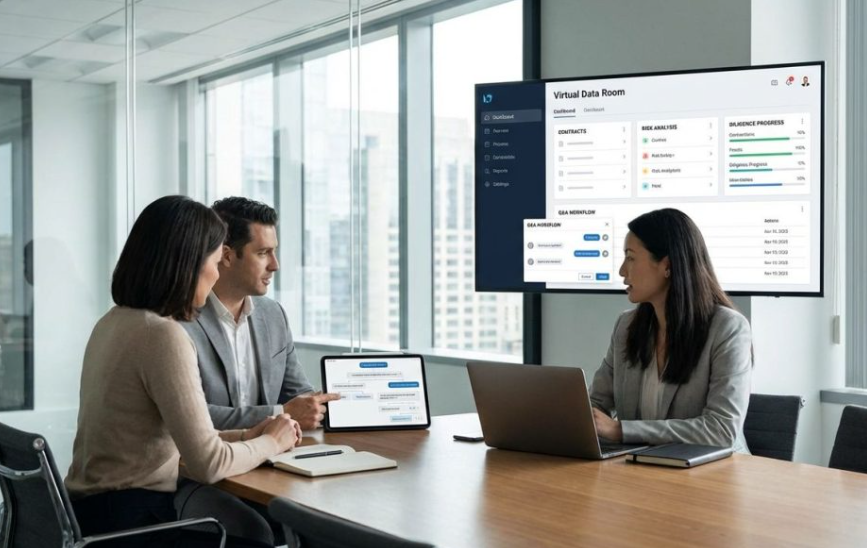

A successful startup does more than build a strong product. It also keeps its records clean, its decisions traceable, and its growth story easy to verify. When a merger or acquisition opportunity appears, founders need a secure and organized way to show how the company operates.
A virtual data room helps startup teams prepare for this important stage with better control. It keeps private company files in one protected place and gives selected people access during review. This article explains how startups use virtual data rooms to prepare for mergers and acquisitions with speed, clarity, and professionalism.
Presents a Clear Business Profile to Buyers
Buyers want to see the full picture before they move forward with any deal. They look beyond revenue and study how the startup reached its current position. A virtual data room helps founders present this story through organized records, updated reports, and key company documents.
For instance, a platform such as startupdatarooms.com can help a startup arrange pitch materials, growth reports, customer data, product updates, and board notes in one secure space. This gives buyers a direct view of the company’s progress without long delays. It also allows founders to guide attention toward the strongest parts of the business.
Organizes Legal Records Before the Review Begins
Legal review plays a major role in every merger or acquisition. Buyers need to check company formation papers, ownership details, contracts, licenses, and agreements. A virtual data room allows startups to prepare these records before a buyer asks for them.
This early preparation saves time during serious discussions. Founders can place legal files into separate sections so advisors can review them with ease. They can also update documents as agreements change or new approvals become available. A strong legal folder reflects business discipline and shows that the company has managed its responsibilities with care.
See also: Your Complete Guide to Business Class Flights to Mumbai
Gives Each Deal Participant the Right Level of Access
A merger or acquisition involves many people, yet each person does not need access to every file. A virtual data room gives founders control over who can view, download, or comment on specific documents. This helps protect private details while still allowing the deal team to work efficiently.
Key access controls may include:
- View-only access for highly sensitive financial or legal records.
- Limited folder access for outside advisors and consultants.
- User activity reports that show which files receive attention.
- Expiring links for time-sensitive document reviews.
- Watermarks that help protect confidential material.
Tracks Buyer Interest Through Document Activity
A virtual data room does more than store documents. It can also show how buyers interact with the information inside it. Startup teams can review activity reports to see which files receive the most attention and which sections need clearer support.
For example, if buyers spend more time on customer contracts, founders may prepare additional context for future meetings. If financial forecasts attract repeated views, the team can ask advisors to review those numbers before the next call. These insights help founders respond with better timing and stronger explanations during acquisition discussions.
Virtual data rooms give startups a practical way to prepare for mergers and acquisitions. They help founders organize company records, support legal and financial review, manage secure access, and respond to buyer interest with better focus. When a startup presents its information clearly, buyers can study the opportunity with more confidence. Strong preparation can make the entire transaction process smoother and help the company move toward the next stage of growth.


 By
By