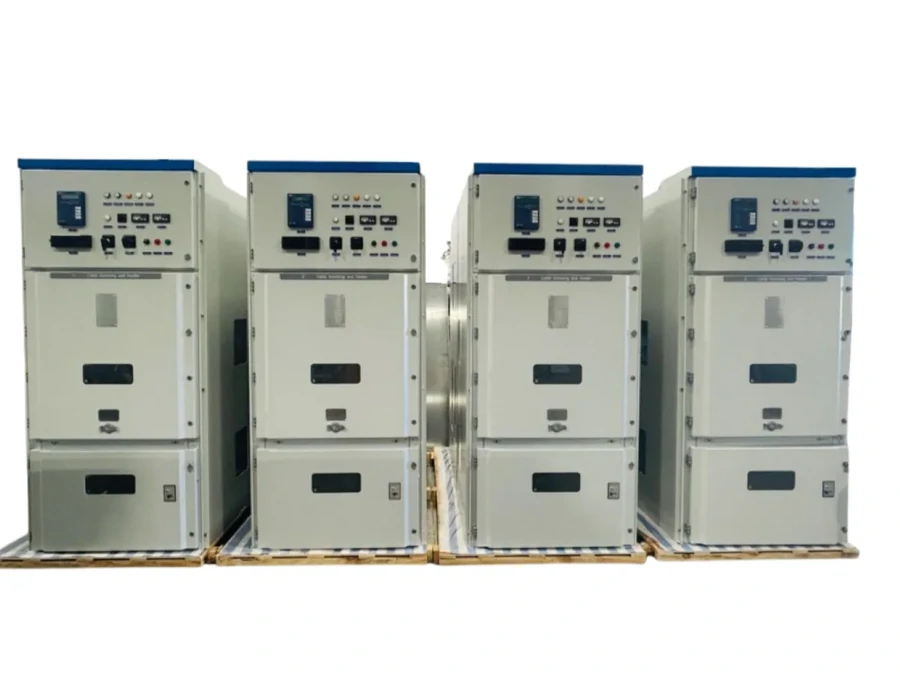

Selecting the right switch gear products is a critical part of designing and maintaining safe, efficient, and dependable electrical systems. In industrial, commercial, and utility applications, switchgear serves as a central point for controlling, protecting, and isolating electrical equipment. Its performance directly influences system uptime, worker safety, and long-term operational stability.
Evaluating switchgear is not simply about reviewing technical specifications. It involves understanding how equipment performs under real-world conditions, how well it aligns with safety standards, and whether it can support the demands of the electrical infrastructure over time. Reliable switchgear helps prevent faults, reduce downtime, and support safer operating environments.
A thorough evaluation process should consider multiple factors, including construction quality, protection features, testing certifications, maintenance requirements, and environmental suitability. By assessing these elements carefully, decision-makers can select products that deliver both safety and dependable performance.
Understanding Reliability in Switchgear
Reliability in switchgear refers to the ability of the equipment to perform consistently under normal operating conditions and during fault events. Reliable systems minimize interruptions and protect connected equipment from damage.
When evaluating reliability, it is important to look beyond product claims and focus on measurable indicators.
Operational Performance History
One of the first indicators of reliability is a product’s operational track record. Equipment with a proven history in similar environments often offers greater confidence.
Consider reviewing:
- Performance in industrial or utility installations
- Historical failure rates
- Expected service life
- Field data from comparable applications
Products with established performance records often present lower operational risk than newly introduced systems without long-term validation.
Fault Withstand Capability
Switchgear must handle abnormal conditions without failing. Evaluating short circuit and fault withstand ratings is essential.
Key areas to assess include:
- Short circuit current rating
- Withstand duration
- Interrupting capacity
- Mechanical endurance during fault operations
Equipment designed to tolerate fault conditions effectively can reduce the risk of catastrophic failures.
Evaluating Safety Features in Switchgear
Safety is one of the most important considerations when selecting switchgear. Poorly designed or improperly rated equipment can expose personnel and infrastructure to serious hazards.
Arc Flash Protection
Arc flash events can cause severe injuries and equipment damage. Modern switchgear often incorporates features that help reduce arc flash risk.
Evaluate whether the equipment includes:
- Arc resistant construction
- Internal arc containment
- Pressure relief channels
- Fast fault detection systems
- Arc mitigation technologies
These protective features contribute to safer operations, especially in high-risk environments.
Protective Relays and Monitoring
Protection systems play a major role in maintaining electrical safety. Advanced relays and monitoring devices help detect abnormalities before they escalate.
Important features may include:
- Overcurrent protection
- Ground fault detection
- Voltage monitoring
- Temperature monitoring
- Remote diagnostics
Integrated protection and monitoring can strengthen both safety and system reliability.
Assessing Compliance With Industry Standards
Compliance with recognized standards is a major indicator of product quality and safety.
Switchgear should be evaluated against relevant standards and certifications applicable to the intended installation.
Testing and Certification
Certified products have undergone standardized testing to verify performance under specific conditions.
Common areas of testing may include:
- Dielectric performance
- Temperature rise limits
- Short circuit testing
- Mechanical endurance testing
- Internal arc testing
Third-party certification often provides greater assurance that the equipment meets required safety and performance benchmarks.
Standards Compatibility
Different industries may require compliance with different standards. Compatibility with required standards should always be verified.
Examples may include standards related to:
- Low voltage switchgear
- Medium voltage switchgear
- Metal enclosed equipment
- Gas insulated systems
- Utility distribution systems
Products aligned with applicable standards are generally better positioned to support safe and compliant installations.
Reviewing Construction Quality and Design
The physical design and construction of switchgear strongly influence durability and long-term reliability.
Material Quality
High-quality materials often improve resistance to wear, corrosion, and environmental stress.
Evaluate materials used in:
- Busbars
- Insulation systems
- Enclosures
- Circuit breakers
- Contact assemblies
Material quality can directly impact product lifespan and maintenance frequency.
Enclosure Integrity
The enclosure protects internal components from environmental hazards and accidental contact.
Important design factors include:
- Ingress protection ratings
- Corrosion resistance
- Mechanical strength
- Sealing effectiveness
- Resistance to contamination
Well-designed enclosures help maintain reliable performance in challenging environments.
Analyzing Application Suitability
Even a high-quality switchgear product may underperform if it is not suited to the intended application.
Electrical System Requirements
The equipment should align with the operating characteristics of the electrical system.
Evaluate compatibility with:
- Voltage levels
- Current ratings
- Frequency requirements
- Load characteristics
- Fault levels
Improperly matched equipment can lead to performance problems and safety concerns.
Environmental Conditions
Environmental factors have a significant effect on switchgear performance.
Assess whether the product is suitable for conditions such as:
- High humidity
- Dust exposure
- Extreme temperatures
- Corrosive atmospheres
- Seismic zones
Equipment designed for the actual operating environment is more likely to remain reliable over time.
Maintenance Considerations and Serviceability
Reliable equipment should not only perform well but also support efficient maintenance.
Ease of Inspection and Maintenance
Products that allow simpler maintenance procedures often contribute to improved long-term performance.
Consider evaluating:
- Accessibility of components
- Inspection intervals
- Maintenance complexity
- Spare parts availability
- Ease of replacement for critical components
Equipment designed for practical maintenance can help reduce downtime and operating costs.
Condition Monitoring Capabilities
Modern switchgear often includes tools for monitoring equipment condition.
Useful capabilities may include:
- Thermal monitoring
- Partial discharge detection
- Remote asset monitoring
- Predictive maintenance tools
- Performance diagnostics
Condition monitoring can support early detection of issues before failures occur.
See also: Your Complete Guide to Business Class Flights to Mumbai
Evaluating Mechanical and Electrical Endurance
Switchgear experiences repeated operations throughout its service life. Endurance testing helps determine whether it can maintain performance over time.
Mechanical Endurance Ratings
Mechanical endurance refers to the number of operating cycles equipment can handle before wear affects performance.
Review ratings for:
- Breaker operations
- Switching cycles
- Disconnect mechanisms
- Operating mechanisms
Higher endurance ratings often indicate stronger long-term reliability.
Electrical Endurance Performance
Electrical endurance measures how equipment performs under repeated load interruptions.
Factors to review include:
- Contact wear resistance
- Interruption performance
- Heat management
- Performance under repetitive duty
Strong electrical endurance contributes to dependable operation in demanding systems.
Examining Protection Coordination
Protection coordination ensures that faults are isolated correctly without unnecessary disruption to the wider system.
Poor coordination can lead to larger outages and increased equipment stress.
Selective Coordination
Reliable systems should support selective tripping, where only the affected section is disconnected during a fault.
Evaluation should include:
- Coordination studies compatibility
- Relay settings flexibility
- Breaker coordination capabilities
- Response times during fault conditions
Proper coordination improves system resilience.
Integration With Control Systems
Switchgear often operates as part of broader automation or control systems.
Assess compatibility with:
- Supervisory control systems
- Energy management systems
- Protection automation platforms
- Communication protocols
Integration capabilities can improve both reliability and operational visibility.
Reviewing Manufacturer Support and Documentation
Product quality includes more than the equipment itself. Documentation and technical support also matter.
Technical Documentation Quality
Reliable products should include clear and complete documentation.
Review availability of:
- Installation instructions
- Operating manuals
- Maintenance guides
- Protection settings documentation
- Test reports
Comprehensive documentation supports safer installation and operation.
Availability of Technical Support
Support capabilities can affect long-term reliability, especially for complex systems.
Important considerations include:
- Engineering support
- Troubleshooting assistance
- Training resources
- Parts support
- Service network availability
Strong support resources can reduce risk during operation and maintenance.
Lifecycle Value and Risk Assessment
Evaluating switchgear should include long-term value, not just initial product characteristics.
Total Cost of Ownership
Lower upfront cost does not always mean better value.
Assess lifecycle factors such as:
- Maintenance costs
- Expected service life
- Downtime risk
- Replacement intervals
- Energy efficiency impacts
Products with stronger long-term performance may deliver greater value over time.
Risk Reduction Benefits
Reliable and safe switchgear can help reduce operational risk.
Potential benefits include:
- Lower fault exposure
- Reduced equipment damage risk
- Improved personnel safety
- Greater operational continuity
- Better regulatory compliance support
Risk reduction often carries significant long-term value.
Common Mistakes to Avoid During Evaluation
Switchgear evaluations can be weakened by common oversights.
Focusing Only on Initial Cost
Cost should be considered, but selecting based only on price can overlook critical performance and safety factors.
Lower-cost equipment may lead to:
- Higher maintenance demands
- Increased failure risk
- Shorter service life
- Greater operational disruption
Evaluation should balance cost with long-term reliability.
Ignoring Application-Specific Risks
Generic product comparisons may miss important application requirements.
Examples include overlooking:
- Hazardous location requirements
- Environmental exposure risks
- High fault current conditions
- Maintenance access limitations
Application-specific risks should always shape product evaluation.
Overlooking Future System Needs
Electrical systems often evolve. Switchgear should be evaluated for future adaptability.
Consider whether products support:
- System expansion
- Additional loads
- Protection upgrades
- Monitoring enhancements
Future-ready equipment can reduce the need for premature replacement.
Building a Structured Evaluation Process
A structured evaluation process can improve consistency and reduce decision risk.
An effective approach may include:
- Define operational requirements
- Identify applicable safety standards
- Review technical specifications
- Compare fault protection features
- Assess environmental suitability
- Verify testing and certifications
- Evaluate maintenance requirements
- Consider lifecycle performance
Using a structured method can help compare options objectively.
Conclusion
Evaluating switch gear products for reliability and safety requires more than reviewing ratings on a datasheet. It involves examining performance history, safety features, construction quality, standards compliance, application suitability, maintenance demands, and long-term risk factors.
Reliable switchgear supports continuous operations, reduces exposure to faults, and helps protect both people and infrastructure. Safety-focused design, verified testing, and proper application alignment all contribute to stronger performance over the life of the equipment.


 By
By