
Marketing has changed dramatically over the years. Businesses have witnessed the rise of social media, influencer campaigns, artificial intelligence, search engine optimization, and countless digital advertising platforms. Consumer behavior has shifted as well. Audiences now have access to more information than ever before and are constantly exposed to promotional messages competing for their attention. As a result, marketers have had to adapt continuously, experimenting with new technologies and communication channels to stay relevant.
Despite these changes, one principle has remained remarkably consistent. People tend to trust information more when it comes from independent sources rather than directly from brands themselves. Third-party validation has long influenced purchasing decisions, and its importance has only increased in an age where consumers are more skeptical of advertising. Positive reviews, expert recommendations, media coverage, and industry recognition all help shape perceptions and establish credibility. Among these forms of validation, premium media exposure continues to serve as a valuable tool that can strengthen brand authority and support broader marketing efforts.
Marketing Continues To Evolve
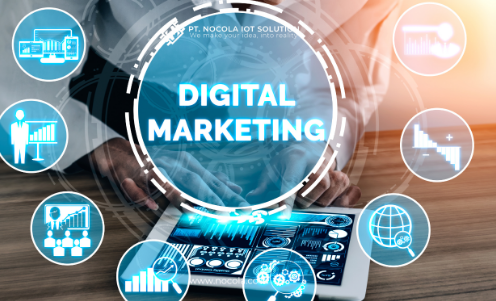
Modern marketers have access to an enormous range of tools and strategies. Search advertising, email campaigns, social media content, video marketing, podcasts, and artificial intelligence-driven personalization all contribute to increasingly sophisticated customer experiences. Businesses can target audiences with precision and measure campaign performance with remarkable detail.
However, the abundance of marketing channels has also created challenges. Consumers are inundated with messages throughout the day, making it difficult for companies to stand out. Traditional advertisements often compete with thousands of other promotions, and audiences have become more selective about which messages they trust.
This environment has increased the importance of authenticity. Consumers want to feel confident that the companies they support are credible and knowledgeable. They frequently research brands before making decisions, comparing information from multiple sources rather than relying solely on advertisements.
Because of this behavior, successful marketing strategies increasingly focus on trust-building rather than simply maximizing exposure. Third-party validation provides a way to reinforce credibility and help brands establish stronger relationships with their audiences.
See also: How Technology Is Changing Marketing Strategies
Why Third-Party Validation Matters
People naturally place greater confidence in information provided by independent sources. Recommendations from friends, customer reviews, expert opinions, and media coverage often influence decisions more than company-generated messages.
Third-party validation works because it reduces uncertainty. Consumers understand that businesses are motivated to present themselves positively. Independent recognition, however, creates the perception that others have evaluated the company and found it worthy of attention.
This principle applies across industries. A startup featured in a respected publication may gain credibility with customers and investors. A healthcare company mentioned by trusted media outlets may strengthen confidence among prospective patients. Even established brands benefit from ongoing recognition because it reinforces authority and keeps them visible within their markets.
Trust influences every stage of the customer journey. People are more likely to engage with businesses they recognize and perceive as reputable. Third-party validation supports this process by creating positive associations that extend beyond individual campaigns.
Understanding Premium News Placements
One of the ways businesses build credibility is through premium news placements. Premium news placements refer to articles, interviews, features, and mentions that appear in respected media outlets and trusted publications. These opportunities allow companies to share insights, highlight achievements, and position themselves as knowledgeable contributors within their industries.
Unlike paid advertisements, editorial coverage often carries greater authority because readers view news organizations as independent sources. Premium news placements can expose brands to new audiences while strengthening the perception that the company is relevant and credible.
The value extends beyond visibility alone. Media exposure creates associations between brands and respected publications, helping reinforce trust and authority. For businesses seeking long-term recognition, these placements often become valuable assets that complement broader marketing initiatives.
Amplifying Brand Messages Through Media Exposure
One challenge businesses face is ensuring that their messages reach audiences effectively. Marketing campaigns can communicate important ideas, but those messages become more powerful when reinforced by independent voices.
Media coverage amplifies brand messages by presenting them within trusted environments. A company announcing a new product, discussing industry trends, or sharing expert insights can benefit from the credibility associated with established publications. Readers may be more receptive because the information appears alongside editorial content rather than promotional advertisements.
Amplification also extends reach. Publications often attract audiences that businesses may struggle to access through their own channels. Media exposure introduces brands to potential customers, partners, and stakeholders who might otherwise remain unaware of the company.
This expanded visibility can create opportunities that go far beyond immediate impressions. Increased awareness often leads to additional searches, social media engagement, and conversations that strengthen overall marketing performance.
Supporting Broader Marketing Goals
Premium media exposure rarely functions as a standalone strategy. Instead, it complements other marketing initiatives and enhances their effectiveness. Search engine optimization, social media campaigns, email marketing, and advertising efforts all benefit when supported by strong credibility.
For example, consumers who encounter a company through an advertisement often conduct additional research before making decisions. Discovering positive media coverage during that process reinforces trust and increases confidence. Similarly, articles published in respected outlets can be shared across social channels, included in email campaigns, and featured on company websites.
Media placements also contribute to content marketing efforts. Thought leadership articles and interviews help position company leaders as experts while providing material that can be repurposed across multiple channels.
By integrating media exposure with other strategies, businesses create a more cohesive and credible marketing ecosystem that supports long-term objectives.
Building Authority In Competitive Markets
Competition continues to intensify across industries, making authority increasingly valuable. Consumers have endless choices and often evaluate multiple options before making a purchase. Businesses that demonstrate expertise and credibility are more likely to stand out.
Media recognition lends authority by providing evidence that a company has something valuable to offer. Repeated exposure in trusted publications strengthens brand recognition and reinforces positive perceptions.
Authority also influences relationships beyond customers. Investors, strategic partners, and prospective employees frequently research companies before making decisions. Strong media visibility can enhance confidence and support growth opportunities that extend beyond sales.
Unlike short-lived advertising campaigns, authority compounds over time. A single placement may provide immediate visibility, but consistent media recognition creates a reputation that supports lasting competitive advantages.
Trust Supports Long-Term Growth
Trust is difficult to build and easy to lose. Businesses that prioritize credibility often experience benefits that extend far beyond individual marketing campaigns. Customers who trust a company are more likely to become repeat buyers, recommend products or services, and remain loyal over time.
Media coverage contributes to this trust by providing external validation that reinforces brand messages. Consumers increasingly seek reassurance before making decisions, and respected publications help provide that reassurance.
Strong trust also improves marketing efficiency. Campaigns often perform better when audiences already recognize and respect the brand. Customer acquisition costs may decline because existing credibility makes prospects more receptive to marketing messages.
In this sense, third-party validation creates a foundation that strengthens nearly every aspect of marketing performance.
The Value Of Credibility In Modern Marketing
Marketing strategies will continue evolving as technology and consumer behavior change. New platforms and communication tools will emerge, offering businesses countless ways to reach audiences. Yet amid these changes, the importance of trust remains constant.
Premium news placements provide businesses with opportunities to amplify their messages while benefiting from the authority of respected media outlets. These placements support broader marketing goals by strengthening credibility, expanding visibility, and reinforcing trust among consumers.
As audiences become increasingly selective about the information they believe, third-party validation will continue to play a meaningful role in shaping perceptions. Businesses that invest in credibility alongside traditional marketing efforts position themselves for stronger relationships and more sustainable growth. In a world filled with promotional noise, trusted voices still matter, and the influence of independent recognition remains one of the most powerful assets a company can possess.


 By
By