
In today’s competitive manufacturing and packaging industry, product quality, durability, and efficiency are essential for success. One of the most important machines supporting modern production lines is the multi layers laminator. This advanced equipment is widely used in packaging, printing, textiles, electronics, and industrial manufacturing where strong bonding of multiple material layers is required.
A multi layers laminator is designed to combine two or more layers of materials into a single unified structure. These layers may include plastic films, aluminum foil, paper, fabric, or composite materials. The result is a strong, durable, and high-performance laminated product that meets industrial standards.
As industries demand more complex and durable packaging solutions, multi-layer lamination technology has become increasingly important.
What is a Multi Layers Laminator?
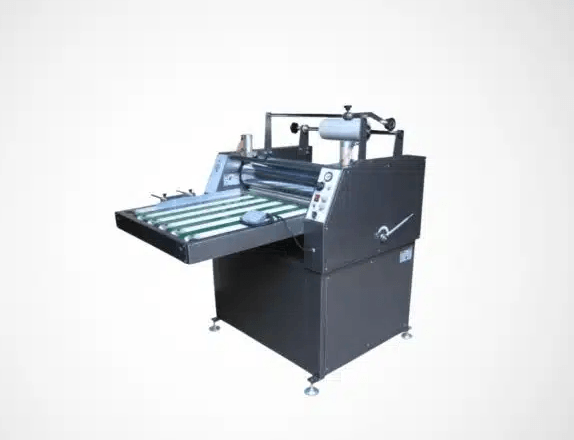
A multi layers laminator is an industrial machine that bonds multiple layers of materials together using heat, pressure, adhesives, or extrusion technology. Unlike simple single-layer laminators, this machine is capable of processing several layers in one continuous operation.
It is commonly used in industries where products require extra strength, barrier protection, and long-lasting durability.
The main purpose of a multi layers laminator is to:
- Improve material strength
- Enhance barrier protection against moisture and air
- Increase product lifespan
- Improve visual appearance
- Support complex packaging structures
These machines are widely used in large-scale production environments.
Importance of Multi Layer Lamination in Modern Industry
The demand for multi layers laminator machines has increased rapidly due to evolving consumer expectations and industrial requirements. Modern products require packaging that is not only attractive but also functional and protective.
Multi-layer lamination helps achieve this balance by combining different materials with unique properties.
Key reasons for its importance include:
- Stronger packaging performance
- Better resistance to external factors
- Improved product safety
- Extended shelf life of goods
- High-quality finishing
- Compatibility with modern packaging designs
This technology is essential in industries where product protection and presentation are equally important.
How a Multi Layers Laminator Works
The working process of a multi layers laminator involves bonding multiple material layers through controlled pressure, heat, or adhesive systems.
The basic process includes:
- Material Feeding – Different layers of materials are fed into the machine from separate rolls.
- Adhesive Application or Heating – Depending on the system, adhesive is applied or heat is used to activate bonding.
- Layer Alignment – The machine precisely aligns all layers to ensure accurate lamination.
- Pressing and Bonding – High-pressure rollers press the layers together for strong adhesion.
- Curing or Cooling – The laminated structure is stabilized for final output.
- Winding or Cutting – Finished laminated material is rolled or cut into required sizes.
This continuous process ensures high efficiency and consistent quality output.
Types of Multi Layers Laminator Machines
Different industries require different types of laminating systems. Manufacturers design various models of multi layers laminator machines to meet these needs.
Dry Lamination Machines
These machines use adhesives that are dried before bonding layers. They are widely used in flexible packaging industries.
Wet Lamination Machines
Wet systems apply liquid adhesives that bond materials during the drying process.
Thermal Lamination Machines
These machines use heat and pressure to bond thermoplastic layers together.
Extrusion Lamination Machines
Extrusion systems use molten polymer as a bonding layer, commonly used in heavy-duty packaging.
Solvent-Free Multi Layer Laminators
These machines use eco-friendly adhesives without harmful solvents, making them environmentally safe.
Each type is designed for specific production requirements.
See also: How Technology Is Changing Marketing Strategies
Key Features of Modern Multi Layers Laminator Machines
Modern machines are equipped with advanced technologies that improve productivity, accuracy, and safety.
High-Speed Production
These machines are capable of continuous high-speed operation, suitable for large-scale industries.
Precision Control Systems
Digital control panels allow operators to adjust temperature, pressure, and speed with accuracy.
Multi-Material Compatibility
They can handle various materials including plastic films, paper, foil, and fabric.
Automatic Tension Control
Ensures smooth feeding of materials and prevents wrinkles or misalignment.
Energy Efficiency
Modern machines are designed to reduce energy consumption while maintaining high performance.
Smart Automation
PLC systems and touchscreen interfaces improve ease of operation and reduce human error.
Applications of Multi Layers Laminator
The multi layers laminator is used in many industries due to its versatility and performance capabilities.
Packaging Industry
Used for food packaging, pharmaceutical packaging, and industrial packaging where strong barrier protection is required.
Printing Industry
Helps in producing high-quality printed materials with protective and decorative layers.
Textile Industry
Used for waterproof fabrics, industrial textiles, and protective clothing materials.
Electronics Industry
Provides insulation and protection layers for electronic components.
Automotive Industry
Used in interior components, insulation materials, and decorative surfaces.
The wide range of applications makes it an essential machine in modern manufacturing.
Advantages of Multi Layers Laminator
Businesses using multi layers laminator machines gain several important benefits.
Strong Material Bonding
Ensures long-lasting adhesion between multiple layers.
Enhanced Product Durability
Improves resistance against moisture, heat, and physical damage.
High Production Efficiency
Supports continuous operation with minimal downtime.
Better Product Appearance
Provides smooth and professional finishing.
Cost-Effective Manufacturing
Reduces material waste and improves operational efficiency.
Versatility
Suitable for multiple industries and material types.
Technological Advancements in Multi Layers Laminator
Modern lamination technology has evolved significantly due to automation and digital innovation.
Key advancements include:
- Servo motor control systems
- AI-based quality monitoring
- IoT-enabled machine tracking
- Automated defect detection systems
- High-precision roller technology
These innovations improve accuracy, reduce waste, and enhance production speed.
Role of Multi Layers Laminator in Industrial Growth
The multi layers laminator plays a key role in supporting global manufacturing industries. As demand for high-performance packaging increases, manufacturers rely on advanced lamination systems to meet quality standards.
It helps industries achieve:
- Faster production cycles
- Better product protection
- Improved brand presentation
- Higher customer satisfaction
This makes it a critical part of modern industrial infrastructure.
Environmental Considerations
Sustainability is an important focus in modern manufacturing. Multi layers laminator machines are now designed to support eco-friendly production.
Eco-friendly features include:
- Reduced energy consumption
- Compatibility with recyclable materials
- Low-waste production systems
- Solvent-free lamination options
These features help industries reduce environmental impact while maintaining productivity.
Future of Multi Layers Laminator Machines
The future of multi layers laminator technology is expected to be highly automated, intelligent, and sustainable. As industries continue to evolve, manufacturers will focus on improving efficiency and reducing environmental impact.
Future developments may include:
- Fully automated smart lamination lines
- AI-powered production optimization
- Faster multi-layer processing systems
- Advanced eco-friendly adhesive technologies
- Real-time cloud monitoring systems
These innovations will shape the next generation of industrial lamination equipment.
Conclusion
The multi layers laminator is a vital machine in modern manufacturing industries, offering strong bonding, high efficiency, and versatile applications. From packaging and printing to textiles and electronics, its role is essential in producing high-quality laminated materials.
With continuous technological advancements and growing industrial demand, multi-layer lamination technology will continue to evolve, supporting faster, safer, and more sustainable production processes worldwide.


 By
By