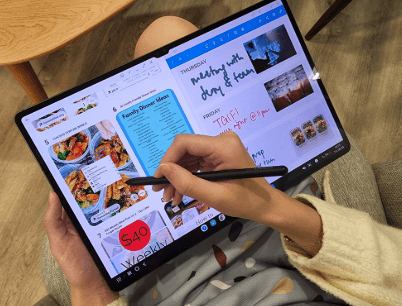

Technology is reshaping leadership styles in profound ways. Remote work has become the norm, compelling leaders to adopt new strategies for communication and engagement. Data-driven decision making is now essential, guiding leaders in their choices with precision. Furthermore, technological tools foster collaboration among diverse teams, breaking traditional barriers. As these shifts occur, the need for continuous learning and adaptability becomes paramount. What implications do these changes hold for future leadership dynamics?
The Rise of Remote Leadership
In recent years, the emergence of remote leadership has transformed traditional management paradigms, compelling leaders to adapt their strategies to a digital landscape.
Effective virtual communication has become essential, fostering trust building among dispersed teams. Leaders must now develop skills that promote collaboration and transparency, ensuring that team members feel valued and connected, ultimately empowering them to thrive in a remote environment.
Embracing Data-Driven Decision Making
As organizations increasingly navigate complex business environments, leaders are compelled to harness data-driven decision-making to enhance strategic outcomes.
By prioritizing analytics integration, they transform raw data into actionable insights. This approach not only fosters agility but also enables leaders to utilize predictive insights for informed forecasting.
Ultimately, embracing data-driven strategies empowers organizations to thrive in a dynamic market landscape, promoting freedom through informed autonomy.
Fostering Collaboration Through Technology
Data-driven decision-making not only enhances strategic outcomes but also paves the way for improved collaboration within organizations.
By leveraging digital communication tools, leaders can facilitate virtual teamwork, breaking down geographical barriers and fostering a culture of inclusivity.
This technological integration empowers teams to share insights and innovate collectively, ultimately driving organizational success and allowing individuals the freedom to contribute meaningfully from any location.
Cultivating a Culture of Continuous Learning
Continuous learning embodies a fundamental shift in organizational culture, driven by the rapid pace of technological advancements.
Organizations are increasingly fostering learning ecosystems that promote adaptive mindsets, enabling employees to embrace change and innovation.
Read also: Home
Conclusion
In a world where leaders now wield their smartphones like modern-day Excaliburs, the quest for effective leadership has transformed into a digital charade. Gone are the days of face-to-face banter; instead, leaders navigate virtual mazes, armed with data analytics and remote tools. As they cultivate adaptive mindsets, one wonders if the next corporate retreat will be held in the cloud. Ultimately, technology may have redefined leadership, but it seems the human touch is still buffering somewhere in cyberspace.


 By
By